
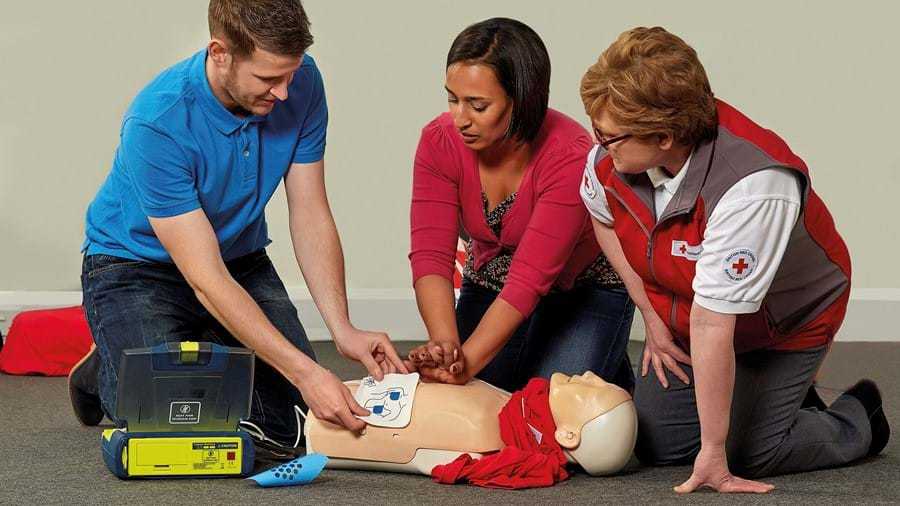
First aid is a crucial skill that can make a significant difference in emergencies. Whether it’s a minor injury or a life-threatening incident, knowing how to administer first aid can be the key to saving lives. In this article, we will explore the importance of first aid training and focus on one essential component of emergency response – Automated External Defibrillators (AEDs).
The Significance of First Aid Training
First aid is the initial assistance provided to a person suffering from an injury or illness. Its primary objectives are to preserve life, prevent the condition from worsening, and promote recovery. First aid can be administered by anyone, including bystanders until professional medical help arrives. Training in first aid equips individuals with the knowledge and skills to respond effectively to various emergencies.
One of the fundamental aspects of first aid training is understanding how to assess the situation and prioritize actions. Individuals learn to recognize life-threatening conditions, such as severe bleeding, cardiac arrest, or choking, and respond appropriately. First aid training also covers the basics of wound care, CPR (Cardiopulmonary Resuscitation), and the use of essential first aid supplies.
Cardiopulmonary Resuscitation (CPR)
CPR is a life-saving technique that is a core component of first aid training. It involves chest compressions and rescue breaths to maintain blood circulation and oxygenation when a person’s heart has stopped beating or is beating ineffectively. Learning how to perform CPR is crucial, as it can significantly increase the chances of survival for someone experiencing cardiac arrest.
First aid courses typically include hands-on CPR training, allowing participants to practice chest compressions and rescue breaths on mannequins. This practical experience enhances confidence and prepares individuals to act swiftly in real-life emergency situations.
Automated External Defibrillators (AEDs)
While CPR is essential in sustaining blood flow, the introduction of Automated External Defibrillators (AEDs) – or, in simpler terms, what is an AED – has revolutionized the approach to cardiac emergencies. AEDs are portable devices designed to deliver an electric shock to the heart, restoring its normal rhythm in cases of sudden cardiac arrest.
AEDs are user-friendly and often come with voice prompts and visual instructions to guide users through the process. Their widespread availability in public spaces, workplaces, and community areas makes them a critical tool in the chain of nutrient survival. However, proper training is essential to use an AED effectively.
AED Training
First aid courses that include AED training teach participants how to recognize situations where an AED is needed and how to operate the device correctly. Training covers aspects such as assessing the victim, attaching electrode pads, analyzing the heart rhythm, and delivering shocks when necessary. Understanding the importance of AED placement, maintenance, and post-use reporting is also emphasized in these courses.
The timely use of an AED can significantly increase the chances of survival in cases of sudden cardiac arrest. Every minute without defibrillation decreases the likelihood of survival by 7-10%, making quick access to and proper use of AEDs crucial in saving lives.
Real-Life Applications
The importance of first aid and AED training extends beyond theoretical knowledge. Real-life scenarios underscore the significance of these skills in emergency situations. Consider the example of a person collapsing in a shopping mall due to sudden cardiac arrest. Bystanders trained in first aid can quickly assess the situation, initiate CPR, and use an AED, if available, until professional help arrives.
First aid training is not just a valuable skill; it is a responsibility we all share as members of a community. Whether in the workplace, schools, or public spaces, having individuals trained in first aid can make a profound difference in the outcome of emergencies.
Automated External Defibrillators, as a critical component of first aid response, highlight the importance of technology in improving survival rates. As we continue to emphasize the importance of first aid training, including CPR and AED use, we contribute to creating a safer and more prepared skin society, where every individual can be a potential lifesaver.
References
- Journal of Emergency Medicine: Publisher: Elsevier. Author: Svenson, J. E. Year: 2010. DOI: 10.1016/j.jemermed.2010.09.036
- Resuscitation: Publisher: Elsevier. Author: Hazinski, M. F. Year: 2010. DOI: 10.1016/j.resuscitation.2010.08.030
- The New England Journal of Medicine: Publisher: Massachusetts Medical Society. Author: Nichol, G. et al. Year: 2018. DOI: 10.1056/NEJMoa1806842
- Circulation: Publisher: American Heart Association. Author: Link, M. S. et al. Year: 2015. DOI: 10.1161/CIR.0000000000000252
- Emergency Medicine Journal: Publisher: BMJ Publishing Group Ltd. Author: Smith, C. M. et al. Year: 2017. DOI: 10.1136/emermed-2016-206060

Wow Thanks for this blog post i find it hard to identify smart answers out there when it comes to this material appreciate for the information sitesitesitesite
Wow Thanks for this thread i find it hard to get awesome content out there when it comes to this subject material appreciate for the article websitewebsite
Wow Thanks for this posting i find it hard to stumble on great tips out there when it comes to this material appreciate for the article sitesite
Wow Thanks for this page i find it hard to find really good information out there when it comes to this subject matter appreciate for the site sitesitesitesite